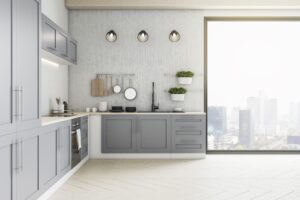
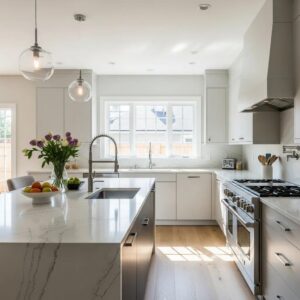
The right kitchen backsplash material is durable, easy to maintain, and resistant to heat and moisture. It also complements your kitchen’s style and considers grout impact for cleaner lines. Texture, finish, and installation complexity further influence your choice and the final look.
A post by Summit Janitorial citing the Bureau of Labor Statistics reveals Americans spend an average of 110 hours annually cleaning their kitchens. Installing a kitchen backsplash can reduce cleaning effort by protecting walls from splashes, grease, and spills.
Choosing the right material ensures your backsplash remains functional and attractive. It also simplifies routine kitchen maintenance for years to come.
Is a Backsplash Necessary in a Kitchen?
A backsplash protects walls from water, grease, and food splatters while improving the overall kitchen appearance. Kitchens without a backsplash face higher risks of:
- Stains
- Surface damage
- Frequent cleaning
- Discoloration
- Moisture buildup
Adding a backsplash creates a finished look that connects countertops, cabinets, and appliances visually. The space feels intentional and well planned.
Homeowners gain daily protection while enhancing style and long-term appeal. Kitchen backsplash options provide both functional coverage and visual balance across the cooking space.
Which Comes First, Backsplash or Countertop?
Countertops come first, then the backsplash follows. Installing countertops first sets the correct height and creates a stable reference point. The backsplash installs cleanly against the finished surface, covering seams and small gaps.
Reversing the order risks uneven edges and visible misalignment. Proper sequencing improves durability, simplifies measurements, and delivers a polished finish during kitchen backsplash installation.
Tips for Choosing the Right Kitchen Backsplash Material
The most common kitchen backsplash materials include:
- Ceramic tile
- Porcelain tile
- Glass
- Natural stone
- Metal
- Peel-and-stick panels
Each option offers distinct benefits and tradeoffs related to durability, maintenance, and visual impact. To narrow the best fit for your space, consult experts like CMK Construction.
Our team helps evaluate daily use, cleaning needs, and design goals. Professional insight simplifies choosing backsplash material that supports function and complements your kitchen’s overall look.
Prioritize Ease of Maintenance
Selecting easy-to-clean materials simplifies long-term care. Smooth surfaces like glass or ceramic wipe down quickly. Materials that resist stains reduce time spent scrubbing grout lines or textured finishes.
Low-maintenance surfaces help keep kitchens hygienic and looking fresh. Maintenance requirements also affect the overall best backsplash for the kitchen. Investing in materials that are simple to clean reduces both effort and costs over time.
Ensure Heat and Moisture Resistance
A backsplash near stoves, ovens, or sinks encounters heat and moisture constantly. Durable, non-porous surfaces prevent:
- Warping
- Staining
- Mold growth
- Moisture absorption
- Surface cracking
Tiles, glass, and metal perform well under these conditions. Material strength protects walls from daily cooking exposure and cleanup demands. Heat- and moisture-resistant choices support a modern kitchen backsplash that balances long-term performance with clean, polished style.
Consider Grout Impact
Grout lines influence both appearance and cleaning. Dark grout hides stains, while light grout highlights patterns. Wide grout lines create a textured look, whereas thin lines appear sleek.
Sealing porous grout prevents discoloration and damage. Proper consideration of grout ensures that the backsplash remains attractive and easy to maintain.
Match Your Kitchen’s Style
A backsplash complements:
- Cabinets
- Countertops
- Flooring
- Wall colors
- Appliance finishes
Neutral colors help create cohesion, while bold patterns introduce personality. Reflective surfaces improve light distribution, making kitchens appear brighter and more open. Coordinating colors, textures, and finishes helps the backsplash blend with the overall design.
Homeowners can align choices with contemporary, traditional, or eclectic styles. A well-matched design strengthens visual flow and delivers a clean, finished appearance.
Play With Texture and Finish
Texture and finish create visual interest and affect maintenance. Glossy finishes reflect light and feel smooth, while matte finishes hide fingerprints. Textured or patterned surfaces add depth but require more frequent cleaning.
Combining finishes strategically enhances the kitchen’s aesthetic without overwhelming the space. Selecting textures thoughtfully ensures that the backsplash is both practical and visually appealing for years to come.
Factor in Installation Complexity
Some materials require:
- Advanced cutting
- Precise alignment
- Professional tools
- Specialty adhesives
- Skilled handling
Large-format tiles, stone slabs, or intricate patterns benefit from experienced installers. Proper sequencing, leveling, and adhesive selection reduce cracks and uneven surfaces.
Factoring in installation complexity helps plan time, budget, and labor more accurately. Professional support often delivers cleaner results and fewer mistakes. Understanding these demands keeps the project organized and preserves design quality throughout the renovation.
Frequently Asked Questions (FAQs)
Can Backsplashes Be Installed Over Existing Tile or Drywall?
Yes, when surfaces remain flat and secure. Damaged tile or uneven drywall often requires removal or repair first.
Are Custom Backsplash Designs More Expensive Than Standard Options?
Custom backsplash designs often cost more than standard options due to materials and labor. Unique patterns require precise cutting and careful layout. Custom tiles, mosaics, or hand-crafted elements increase production time.
How Do Lighting Choices Impact Backsplash Appearance?
Under-cabinet lighting highlights tile patterns and grout lines.
Warm lighting softens stone tones and ceramic finishes.
Cool lighting enhances glass, metal, and glossy surfaces. Shadows reveal texture depth and surface variation.
Installing a Kitchen Backsplash: Smart Material Choices
Installing a kitchen backsplash improves wall protection, simplifies cleaning, and strengthens overall kitchen design. The right material balances maintenance needs, heat resistance, style, grout impact, texture, and installation demands for long-term performance.
At CMK Construction, we offer full kitchen remodeling services guided by experienced designers and skilled installers. We have been operational since 2004 and bring over two decades of hands-on expertise. Our team has overseen more than 5,000 home remodeling projects across Tampa Bay.
We earned Best of the Best honors for six consecutive years from the Tampa Bay Times, which reflects consistent quality and trust. We handle permits, design, and installation under one roof. Contact us today to schedule a consultation and start planning your kitchen upgrade.