Converting a bathtub into a walk-in shower is one of the most popular bathroom upgrades Tampa Bay homeowners make — and one of the most searched. Choosing a tub to shower conversion is a smart decision for improving bathroom safety, especially for families with aging members or mobility concerns. Health organizations like the CDC support these modifications as effective ways to reduce slip-and-fall risks. But deciding whether it’s right for your home takes more than a cost estimate. It takes an honest look at how you live, who uses your bathroom, and what kind of return you want from the investment.
At CMK Construction, we’ve completed thousands of bathroom remodels across Tampa, Clearwater, Brandon, St. Petersburg, and the surrounding communities. This guide covers the real pros and cons, what it actually costs in Tampa Bay, what the process looks like, and the questions you should ask before you start.
If you’re ready to explore options for your home, view our tub-to-shower conversion work or schedule a free in-home consultation.
Is a Tub to Shower Conversion Worth It?
For most Tampa Bay homeowners, the answer is yes — with one important caveat: it depends on how many bathrooms your home has, whether anyone in the household needs a tub regularly, and how a tub to shower conversion fits your lifestyle.
A tub-to-shower conversion is considered one of the best bathroom upgrades for increasing home resale value, as it aligns with current buyer preferences for modern amenities.
If you have a second bathroom with a tub, converting your primary bath to a walk-in shower is almost always the right call. You gain more usable space, a safer and more comfortable shower, and a feature modern buyers actively look for.
If the tub you’re converting is the only one in the home, the decision gets more complicated. Families with young kids typically need at least one bathtub, and removing your last one can shrink your buyer pool if you sell soon.
Every situation is different. Here’s a full breakdown.
The Pros of Converting a Tub to a Shower
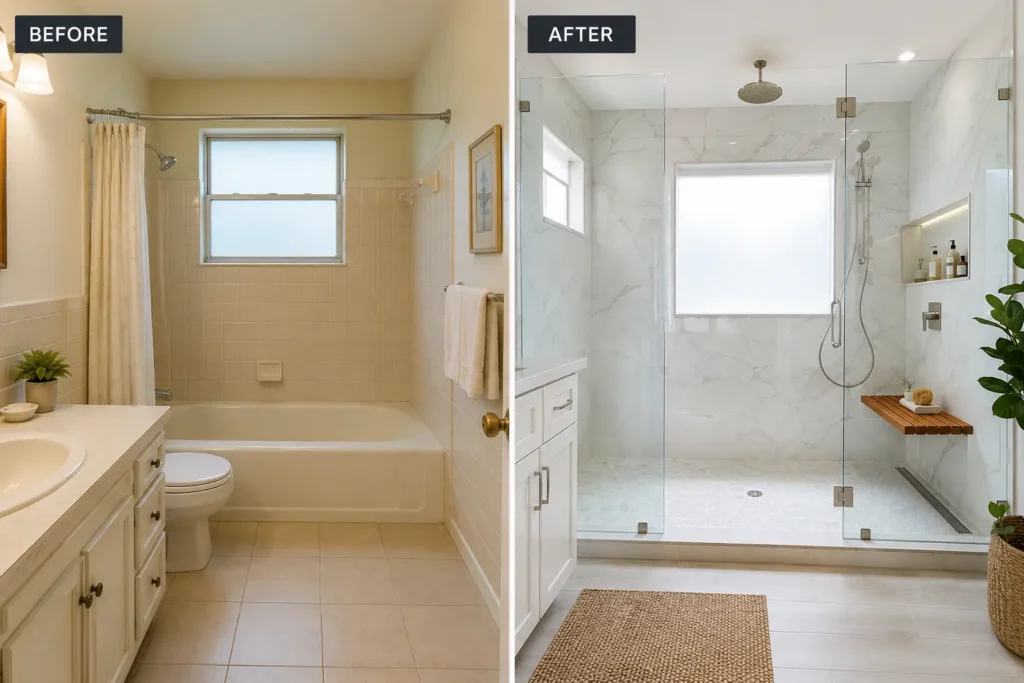
1. You Gain Usable Space Without an Addition
Standard bathtubs run five to six feet long and eat up a significant footprint. A walk-in shower can fit in a 36×36-inch shower space — or fill the entire tub footprint if you want a spa-style layout with a bench, dual showerheads, and a niche.
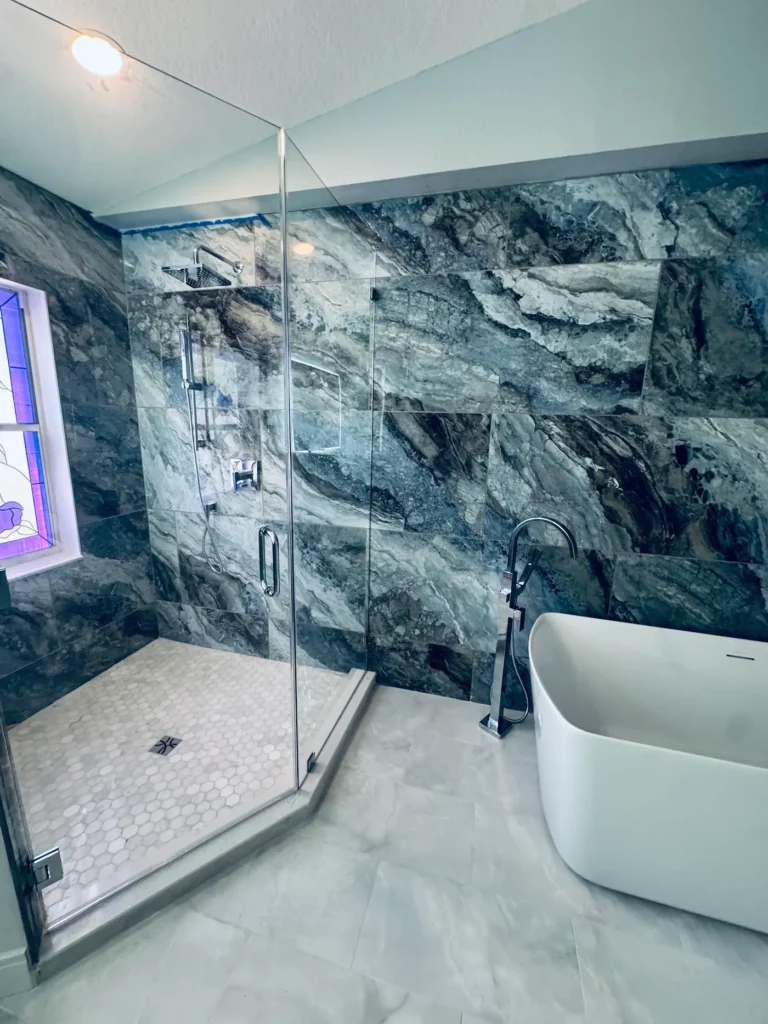
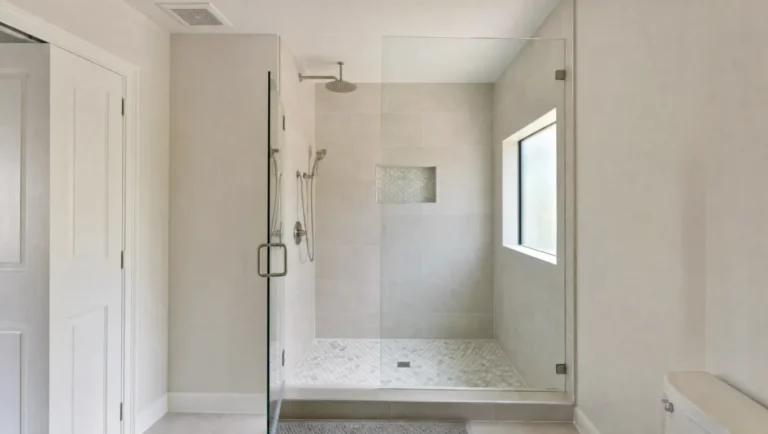
Replacing a bathtub with a walk-in shower can make small bathrooms feel larger and more usable.
In Tampa Bay homes — particularly older ranch-style homes, bungalows, and condos in South Tampa, Carrollwood, and Clearwater — bathrooms tend to run smaller than in newer construction. A frameless glass enclosure keeps sightlines open and can make the room feel noticeably larger.
2. Walk-In Showers Sell Well
Modern walk-in showers consistently rank among the top features many buyers request in bathroom remodels. According to the 2025 Houzz Bathroom Trends Study, increasing shower size is the top remodel priority for homeowners nationally — and Tampa Bay’s real estate market reflects this. The same study found that bathroom remodels, including tub-to-shower conversions, are among the top home improvement projects that can significantly boost a home’s equity.
For CMK’s typical client — a homeowner in the 40–65 range with a mid-to-high-value home — a well-finished walk-in shower can be a real differentiator when it’s time to sell. Buyers at that price point expect modern, functional bathrooms.
3. It’s Safer, Especially as You Age

Stepping over a tub wall is one of the most common causes of bathroom falls. The CDC reports that more than 20 million Americans sustain bathroom injuries each year, underscoring the importance of safety features in bathroom renovations such as tub to shower conversion.
A walk-in shower with a low-threshold or curbless entry eliminates that step-over hazard, providing improved safety and overall safety for everyone, especially seniors or those with mobility challenges. Add slip-resistant flooring, grab bars, a built-in bench, and a handheld showerhead, and you have a bathroom that reduces the risk of slip and fall accidents—making it ideal for aging in place, which a growing number of Tampa homeowners are planning for as they decide to stay in their homes long-term.
CMK also specializes in accessibility-focused custom shower installation if that’s a priority for your household.
4. You Can Still Have a Retreat
Think you’ll miss the tub? A well-designed shower can deliver more than a tub ever did, offering a true sense of relaxation and a spa-like retreat right at home. With luxury features like steam showers, built-in benches, rainfall showerheads, and body jets, you can create a luxurious environment that invites you to relax and unwind. Many CMK clients who were on the fence about losing their tub tell us they love their new shower more than they expected, especially when they experience the comfort and relaxation of these upscale amenities.
5. Lower Water Bills
A standard bathtub holds 35 to 50 gallons of water. An efficient showerhead uses around 2 gallons per minute. A 10-minute shower uses roughly half the water of a full bath, helping homeowners save money on their utility bills. In Florida, where water costs are rising and conservation matters, this can add up to significant money savings over time. In fact, converting a tub to a shower can save homeowners hundreds of dollars annually on water bills, since showers typically use less water than filling a bathtub.
The Cons of Converting a Tub to a Shower
1. It Can Affect Resale to Families with Young Children
If you’re converting your home’s only tub, you may narrow your buyer pool when you sell. Families with toddlers need at least one tub in the home. If your home has a second bathroom with a tub, this concern largely disappears. If not, it’s worth a conversation with a real estate professional before you commit.
This is one of the first questions we ask during a CMK consultation: how many bathrooms does the home have, and what are the long-term plans?
2. You Lose the Soak Option
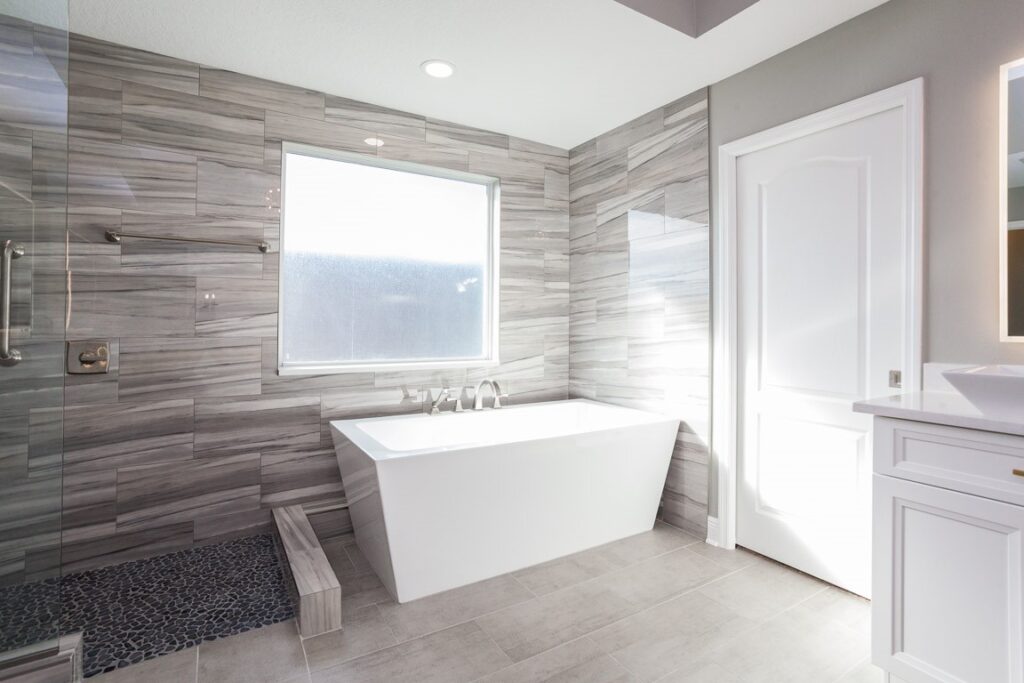
If you actually use the tub — after workouts, for stress relief, for sore muscles — removing it is a real trade-off. Honest gut-check: if you haven’t filled the tub in six months, you probably won’t miss it. If you use it weekly, keep it, or plan for a freestanding soaking tub somewhere else in the home.
How Much Does a Tub to Shower Conversion Cost in Tampa?
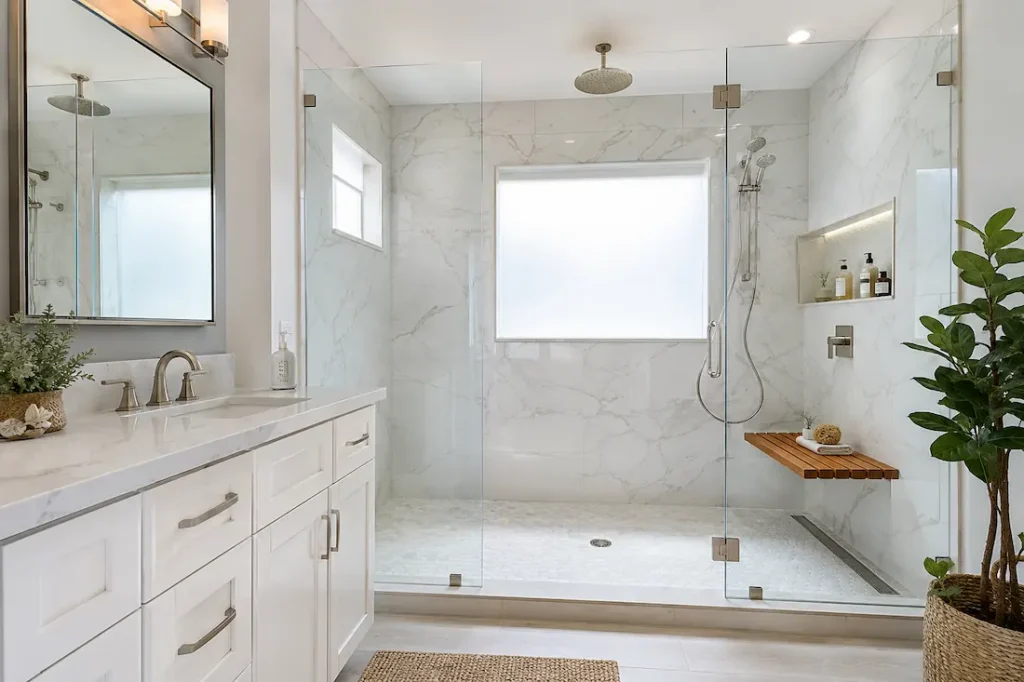
A typical tub to shower conversion in Tampa Bay runs between $4,500 and $12,000 for a standard renovation, making it an affordable option for many homeowners looking to save money on their bathroom upgrade, especially when you compare materials like tile to low-maintenance shower wall panels. Custom builds — frameless glass, premium tile, plumbing reconfiguration — can reach $10,000 to $18,000 or more, so it’s important to compare pricing options and understand where your money is going. Labor typically accounts for 40–60% of the total budget, so who you hire matters. Choosing materials like tile instead of acrylic can offer more flexibility in design and layout, but may also impact cost. Additionally, shower drains tend to be wider than tub drains, which may require plumbing upgrades for improved drainage. When selecting materials, consider options that are responsibly sourced to minimize waste and support sustainability.
Budget Tier: $3,500 – $6,000
Good for condos or newer homes where plumbing is accessible, the footprint is standard, and finishes stay simple.
- Prefabricated acrylic or fiberglass pan and surround
- Standard showerhead and valve
- Basic framed door or curtain rod
- No plumbing moves required
Mid-Range Tier: $6,000 – $12,000
This covers most Tampa Bay single-family homes with a mix of tile finishes and a glass door.
- Tiled shower floor with a full waterproof, properly installed waterproofing system
- Ceramic or porcelain tile surround
- Framed or semi-frameless glass door
- Updated valve and showerhead
- Niche or built-in shelf
Premium Tier: $12,000 – $18,000+
For custom designs, older homes with aging plumbing, curbless layouts, or high-end materials.
- Large-format tile or natural stone (such as marble, granite, or slate) for a timeless, stylish, and modern look—note that natural stone adds elegance but requires specific maintenance due to its properties.
- Frameless glass with custom dimensions for a sleek, contemporary appearance.
- Curbless entry with preslope waterproofing and a linear drain, which allows for a more uniform slope and seamless look, especially in curbless shower system designs.
- Durable bench seating, multiple built-in wall niches for organizing toiletries (which can be customized with accent tiles or lighting for added style), and specialty hardware.
- Vanity upgrades and premium accessories such as grab bars, shelves, and glass doors to enhance both functionality and aesthetics.
- Drain relocation or plumbing updates to accommodate the new shower system and layout.
What Drives Cost Up in Tampa Bay
Age of the home. Older bungalows and ranches in South Tampa, Hyde Park, Seminole Heights, and Carrollwood often have aging supply lines, uneven framing, or water damage hidden under the tub. Once walls are open, the scope can expand.
Florida humidity and waterproofing standards. Tampa’s heat and humidity put higher demands on waterproofing systems. Shortcuts here lead to mold and leaks — something a quality contractor with professional bathroom remodeling experience in Tampa Bay builds in from the start, especially when they install new shower features.
Permits. In most cases, a permit is required by Hillsborough County for plumbing or structural changes. CMK handles permitting as part of the project and will let you know during the consultation whether your project requires one.
The tub to shower conversion process generally involves three main steps: consultation and design, installation, and final inspection to ensure everything meets local building codes.
Scheduling demand. Post-storm periods and peak season can affect crew availability. Planning your conversion during late fall through early spring can help with timing and flexibility.
What Does the Process Look Like?
Step 1: Free In-Home Consultation
Your free consultation is the first step in the tub-to-shower conversion process. We come to your home, measure the space, assess plumbing access, check for moisture damage, and talk through your goals. You leave with a clear, written scope — not a ballpark guess.
Step 2: Design Selection
Visit our Tampa showroom to choose tile, glass, hardware, and layout. You’ll decide on your pan type, surround material, door style, and any custom features like benches or niches as part of a fully custom bathroom remodeling design.
Step 3: Demolition and Waterproofing
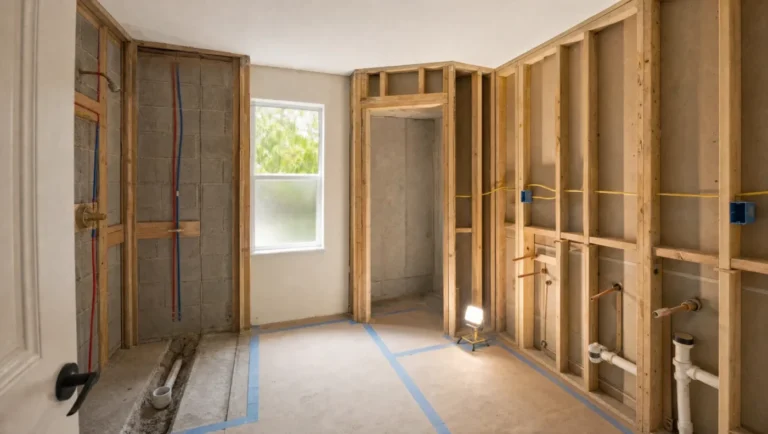
The tub is removed, the space is prepped, and the waterproofing system is installed. This is the most critical part of any shower conversion — proper membrane installation, correct slopes, and leak testing before a single tile goes up. This is where most contractor shortcuts happen, and where CMK doesn’t cut corners.
Step 4: Installation and Final Walkthrough
Tile, glass, hardware, and fixtures are installed. Before we leave, we do a full walkthrough, confirm everything meets your expectations, and make sure the shower is performing exactly as designed.
Typical timeline: Most conversions take 3–7 days of active work depending on complexity. You’ll get a firm timeline during the consultation.
Why Tampa Homeowners Choose CMK for This Project
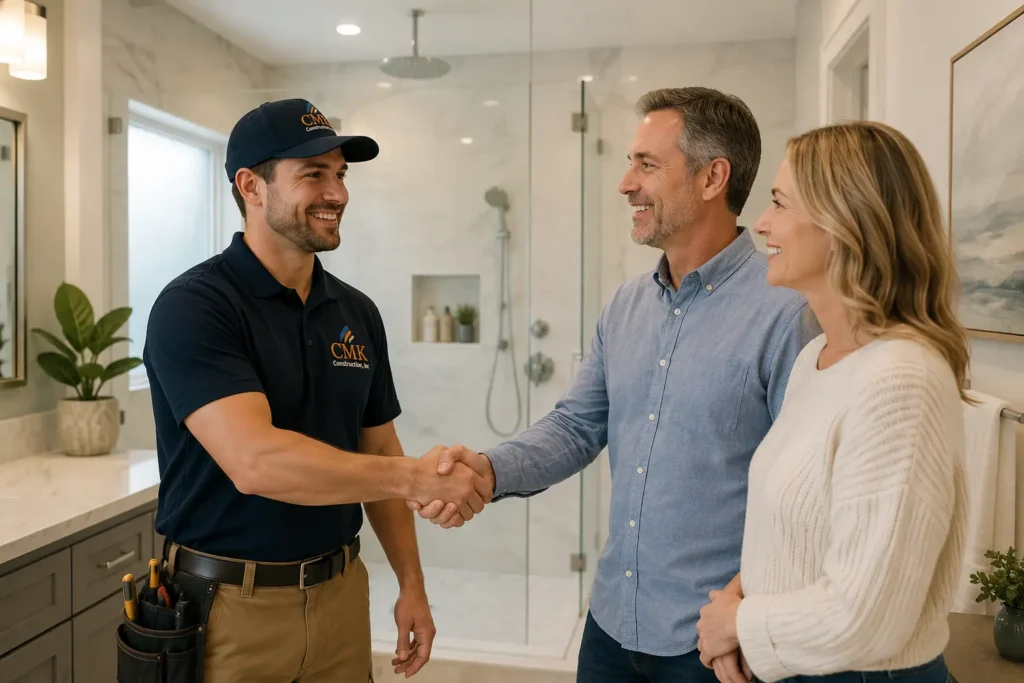
CMK Construction has been transforming bathrooms in the Tampa Bay area for over 20 years. Here’s what’s different:
- One dedicated project manager on every job — one point of contact from design through final walkthrough, not a rotating crew of subcontractors you’ve never met.
- In-house showroom where you can see and touch your tile and hardware options before committing — not a catalog flip in a driveway.
- Licensed and insured in Florida for plumbing, electrical, and general contracting, backed by extensive awards, licenses, and certifications. Our license numbers are publicly listed.
- Thousands of completed bathroom remodels in Tampa, Clearwater, Brandon, St. Petersburg, Wesley Chapel, and surrounding areas.
- “Best of the Best” award winner for six consecutive years.
“CMK turned our dated master bath into something we’re genuinely proud of. The process was smooth, the team was professional, and the waterproofing inspection gave us real confidence the project was done right.” — Tampa Bay homeowner, South Tampa
See more CMK Construction reviews from Tampa homeowners
See more reviews from CMK clients | Explore our bathroom remodeling services
Frequently Asked Questions
How long does a tub to shower conversion take in Tampa? Most conversions take between 3 and 7 business days. A simple prefab shower system conversion with no plumbing moves can finish in 2–3 days. A custom tiled shower system with glass and plumbing changes typically runs 5–7 days. We give you a firm timeline before work begins.
Do I need a permit for a tub to shower conversion in Tampa? It depends on scope. Moving a drain, relocating valves, or making structural wall changes usually requires a Hillsborough County permit. Working within the existing plumbing footprint often doesn’t. CMK assesses permit requirements during the consultation and handles the permit process if needed.
Will converting my tub to a shower hurt my home’s resale value? Not if your home has a second bathroom with a tub. A well-finished walk-in shower in the primary bath tends to add appeal for buyers in the 35–65 age range. If you’re converting your only tub, it can narrow your pool for families with young children. We’ll walk through this with you during the consultation.
What’s the most important thing to get right in a tub to shower conversion? Waterproofing. A conversion that looks beautiful but has inadequate waterproofing will develop mold, rot, and leaks within a few years — especially in Tampa Bay’s humidity. Proper membrane systems, pre-slope, and drain detailing are not optional. This is where hiring a licensed, experienced contractor pays for itself.
What shower floor options do I have? The two most common choices are a prefabricated acrylic or fiberglass pan (lower cost, no grout maintenance) and a custom-tiled floor (more design flexibility, requires grout upkeep). For curbless or barrier-free designs, a custom tiled floor with a full waterproofing shower system is typically required. CMK will walk you through what works for your layout and budget.
Are walk-in showers easier to maintain than bathtubs? Yes, walk-in showers are generally easier to maintain than bathtubs, requiring less cleaning effort and making bathroom upkeep simpler.
Can I convert my tub to a walk-in shower if I have an older Tampa home? Yes, but expect some unknowns. Older homes in South Tampa, Hyde Park, Seminole Heights, and similar neighborhoods often have aging plumbing, uneven subfloors, or moisture damage that isn’t visible until the tub comes out. We recommend a thorough inspection before finalizing scope — knowing what’s behind the walls upfront protects your budget and your timeline.
What’s the difference between a shower pan and a shower base? The terms are often used interchangeably. A shower pan typically refers to the waterproofing membrane and floor system built before tile is set. A shower base refers to a prefabricated unit — acrylic or fiberglass — that acts as both the floor and the waterproofing layer. Your contractor will use one or the other based on your design, footprint, and whether you’re tiling the floor.
What are the benefits of a curbless or barrier-free shower? A curbless, walk-in shower offers a smooth transition between the bathroom floor and the shower, enhancing accessibility and creating a sleek, modern look. Barrier-free showers are an excellent option for accessibility renovations and aging in place, making the bathroom safer and more open.
What about glass enclosures? Frameless glass shower enclosures eliminate bulky metal framing, providing a clean, contemporary aesthetic while maximizing light flow in the bathroom.
How big should my new shower be? The standard minimum dimensions for comfortable shower space are 30 x 30 inches, but ideally 36 x 36 inches for more comfort and accessibility.
Does CMK handle the entire conversion, including removal and disposal? Yes. CMK manages the full project: tub removal and disposal, plumbing updates, waterproofing, tile installation, glass installation, and final walkthrough. You won’t need to coordinate separate contractors. That’s the point of our full-service, design-build model.
Ready to Convert Your Tub to a Shower in Tampa?
Whether you’re planning a clean, low-maintenance walk-in upgrade or dreaming of a fully custom spa-style shower, envision your new bath or new bathroom as a space that’s both functional and luxurious. The right tub to shower conversion starts with a conversation — not a guess.
Schedule your free in-home consultation and get a clear, written quote based on your actual space and goals. Our team serves Tampa, Clearwater, St. Petersburg, Brandon, Wesley Chapel, and the surrounding Tampa Bay area.
Call us at (813) 379-2116****Visit our Tampa showroom at 13329 W. Hillsborough Ave #104, Tampa, FL 33635

tampa-bathroom-ktichen-remodeling-free-estimate
Related Reading:
Explore CMK’s Tub-to-Shower Conversion Services
How Much Does a Bathroom Remodel Cost in Tampa?