
CMK Construction Blog
Residential Remodeling
Guides, cost breakdowns, design trends, and the latest press features from Tampa Bay's most recognized kitchen and bathroom remodeling team.
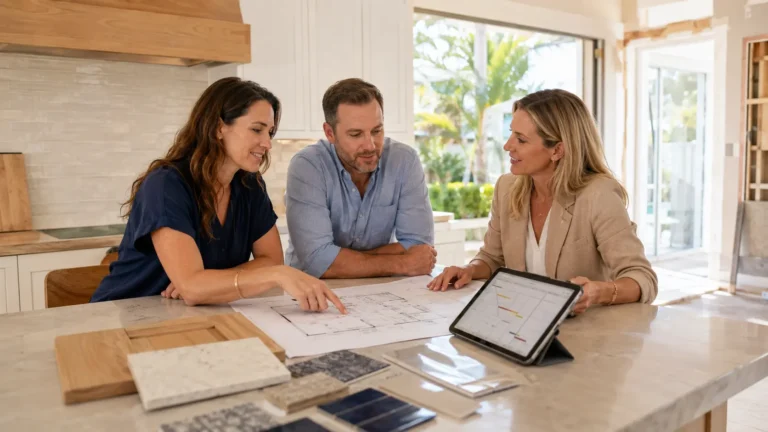
Residential Remodeling
How to Plan a Whole-Home Renovation
September 4, 2026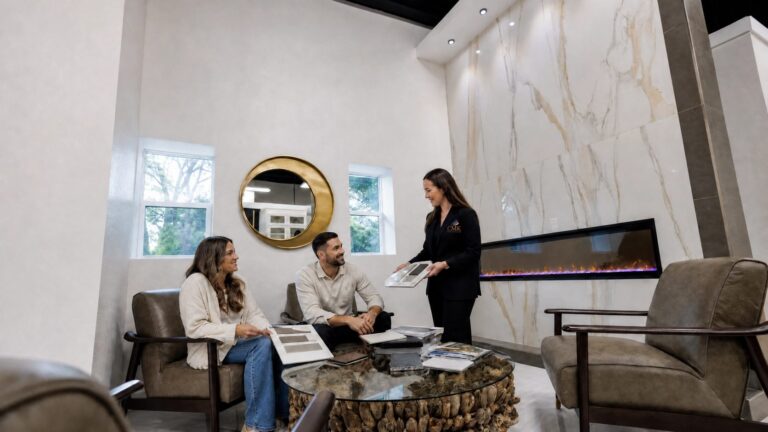
Residential Remodeling
How to Pay for a Kitchen or Bathroom Remodel: Financing in Tampa Bay
July 13, 2026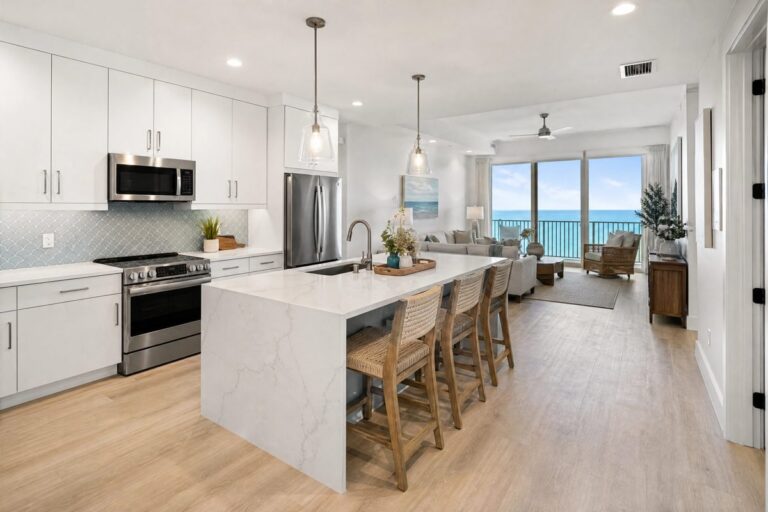
Residential Remodeling
Condo Kitchen and Bathroom Remodeling Rules on the Gulf Coast
July 10, 2026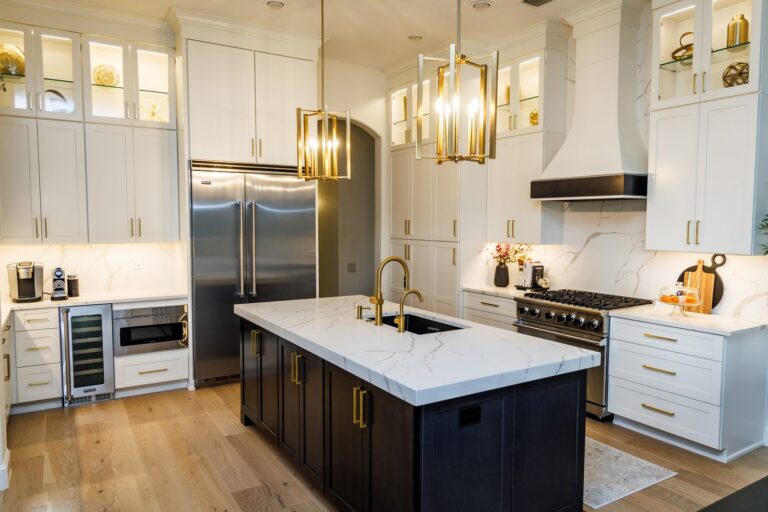
Residential Remodeling
Kitchen, Bathroom & Home Remodeling in Clearwater, FL
July 6, 2026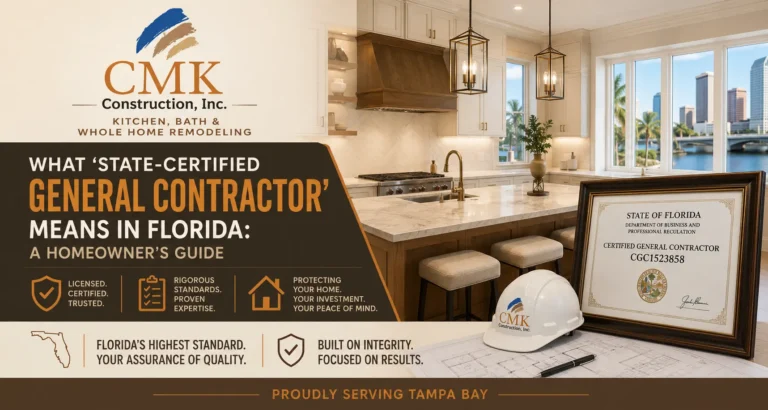
Residential Remodeling
What ‘State-Certified General Contractor’ Means in Florida: A Homeowner’s Guide
June 22, 2026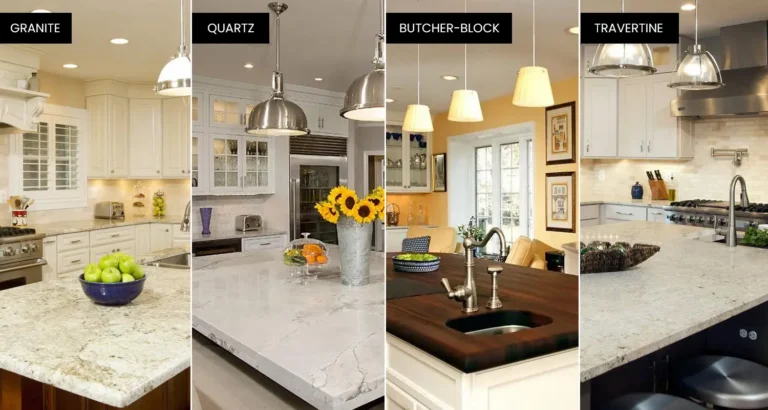
Residential Remodeling
Quartz vs Granite vs Quartzite Countertops for Tampa Kitchens
June 22, 2026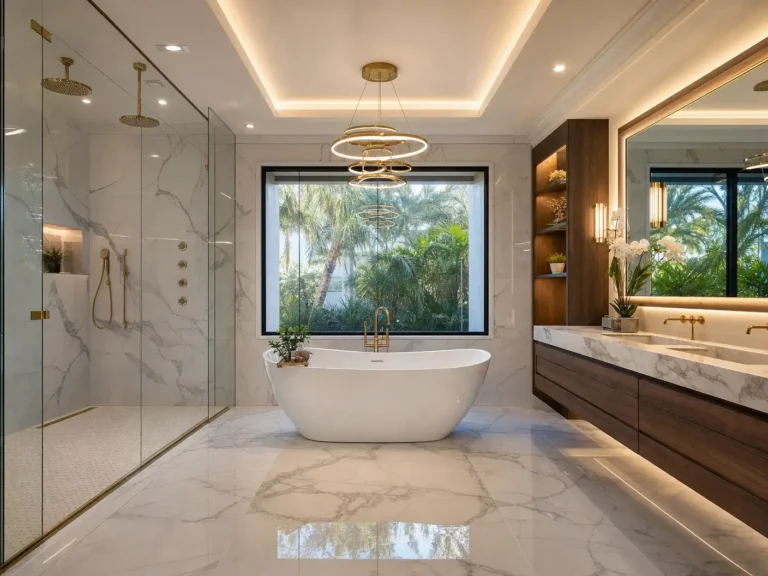
Bathrooms
How Much Does a Bathroom Remodel Cost in Tampa?
May 5, 2026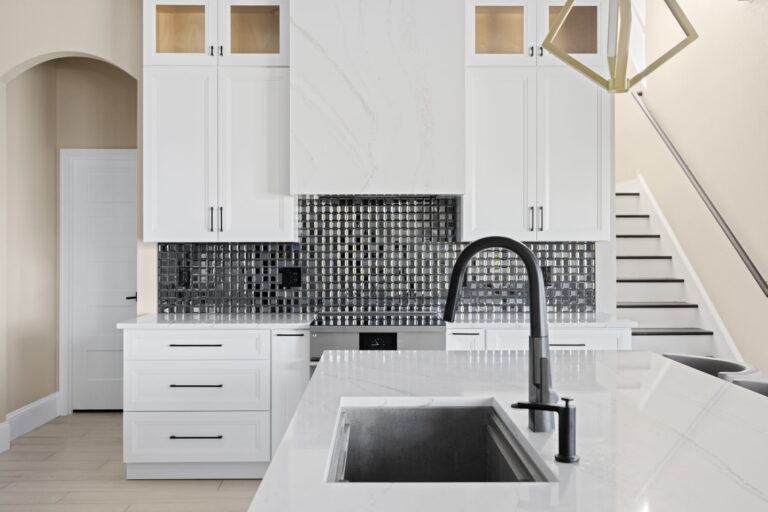
Kitchen
What Does a Kitchen Remodel Cost in Tampa?
May 5, 2026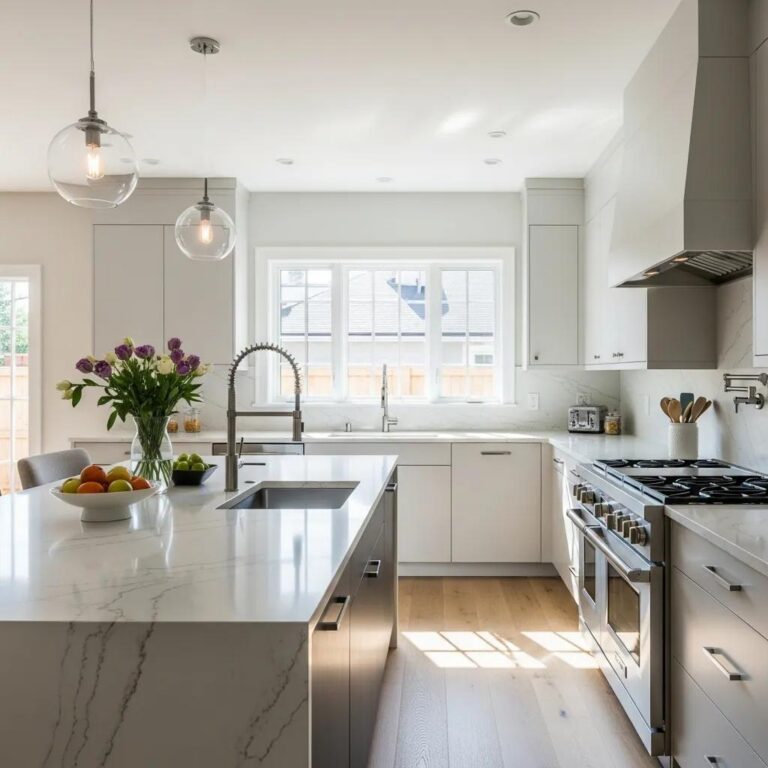
Residential Remodeling
Do You Need a Home Addition Contractor or a Remodel?
April 9, 2026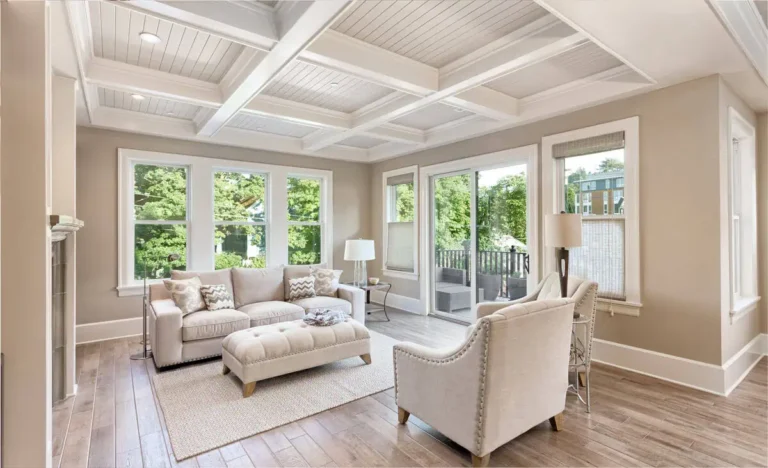
Residential Remodeling
What to Do Before Hiring Home Renovation Contractors
April 3, 2026
Residential Remodeling
Why CMK Leads Home Additions in Tampa
July 25, 2025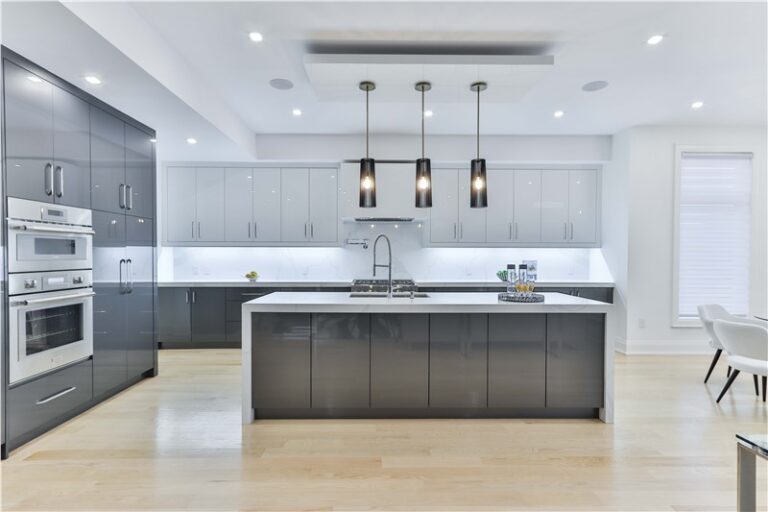
Bathrooms
Why Choose Shower Wall Panels? Key Benefits Over Traditional Tiles
November 24, 2024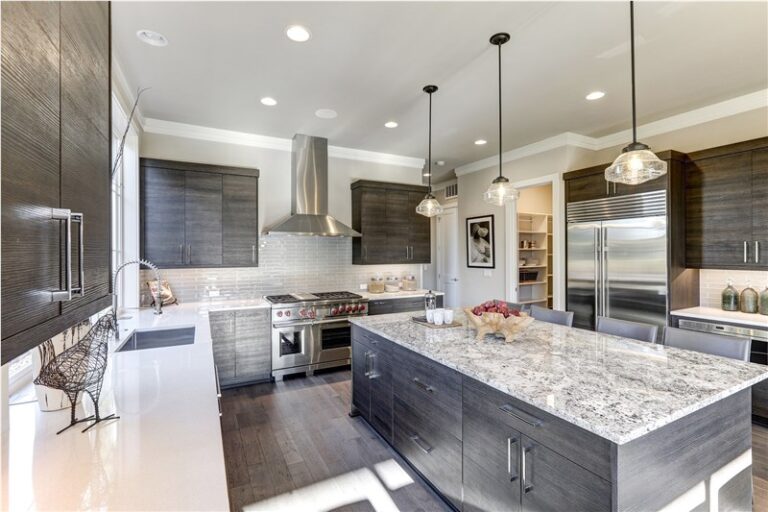
Kitchen
Top 2025 Kitchen Remodeling Trends in Tampa Bay
June 1, 2022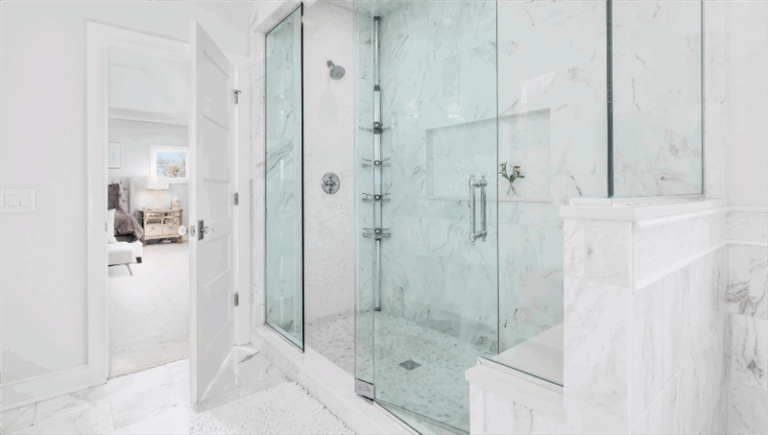
Bathrooms
5 Signs It’s Time to Remodel Your Florida Bathroom
September 29, 2021
Bathrooms
5 Beach Bathroom Decor Ideas
July 9, 2021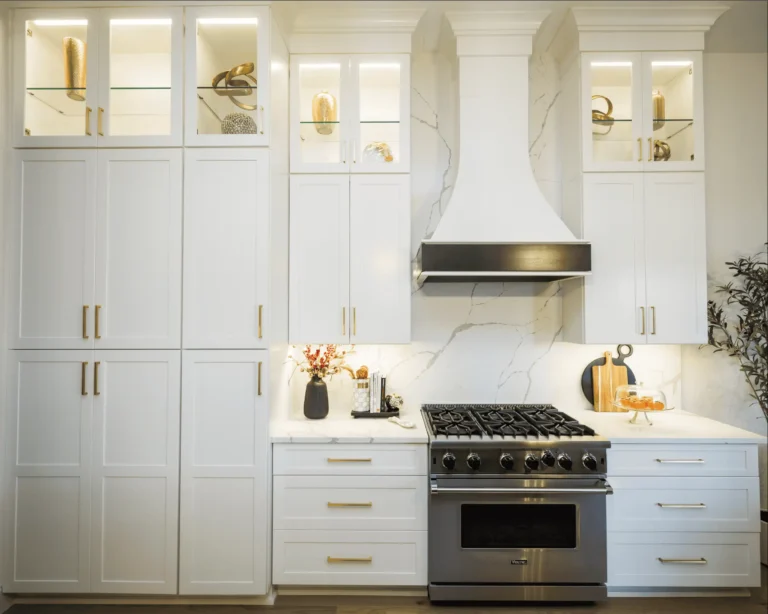
Kitchen
Should You Remove Your Kitchen Soffit? 3 Things to Consider
May 28, 2021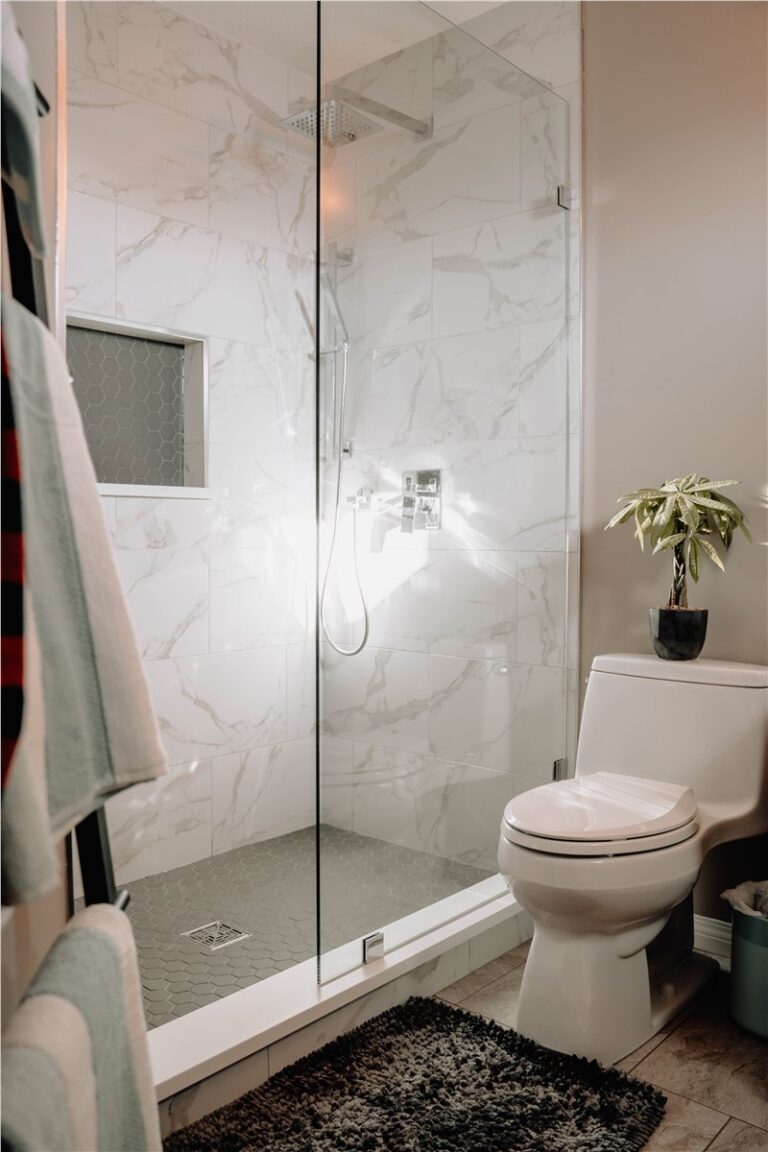
Bathrooms
Four Modern Bathroom Remodeling Improvements to Consider
March 29, 2021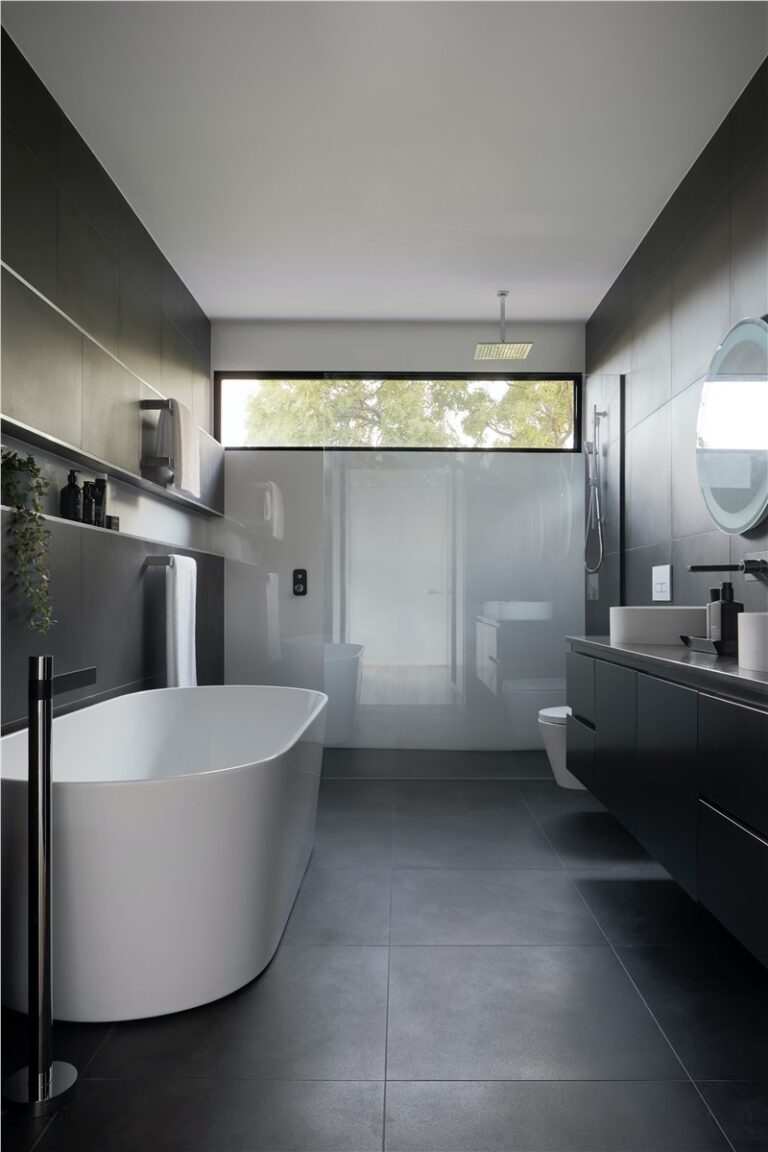
Bathrooms
5 Design Considerations for a Bathroom Remodel
January 25, 2021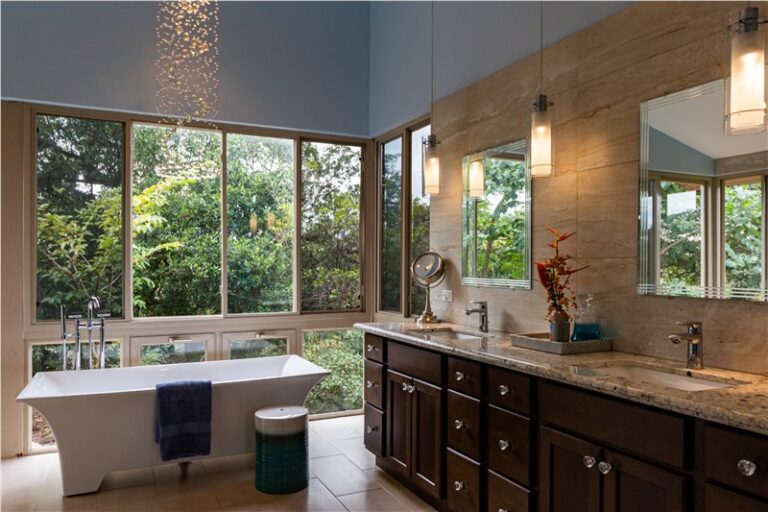
Bathrooms
Top 10 Bathroom Remodeling Tips for the New Year
January 10, 2021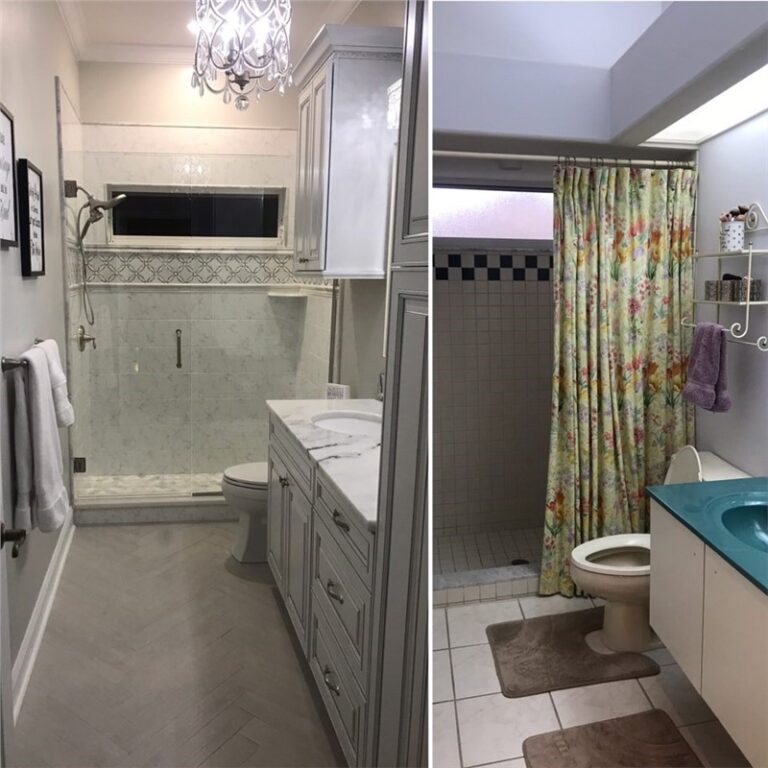
Bathrooms
Five Reasons to Remodel a Small Bathroom
December 3, 2020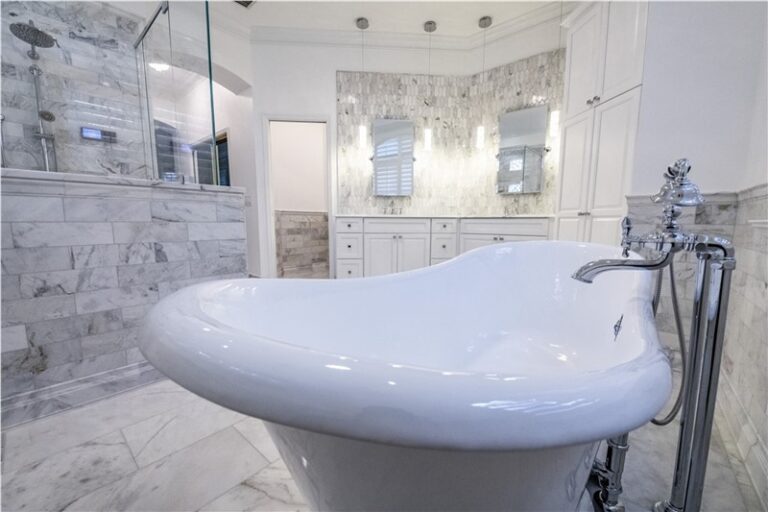
Bathrooms
5 Mistakes That Will Flush Your Bathroom Renovation Down the Drain
September 2, 2020No articles in this category yet — check back soon.
Ready to Start Your Remodel?
Put 21 years and 7,136+ completed projects to work on your kitchen or bathroom. Book a free consultation with Tampa Bay's 6x Best of the Best remodeler.