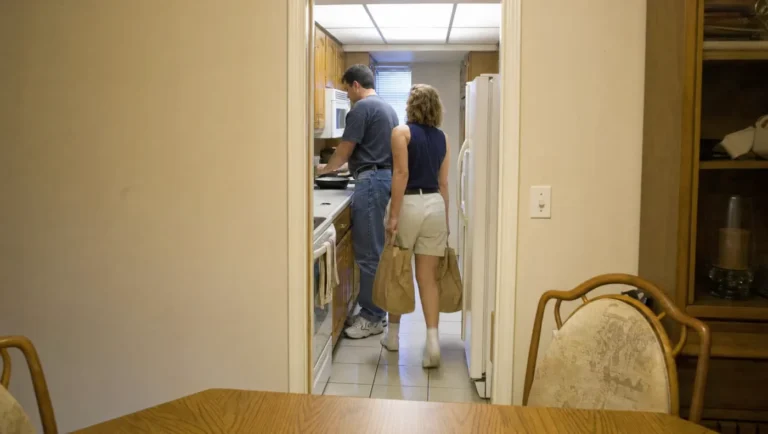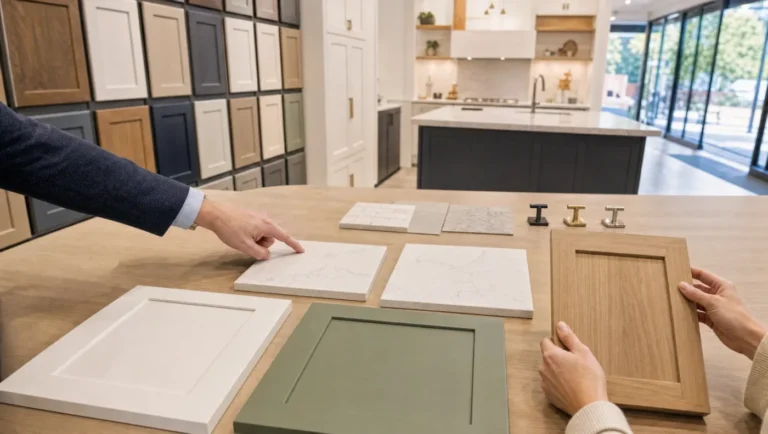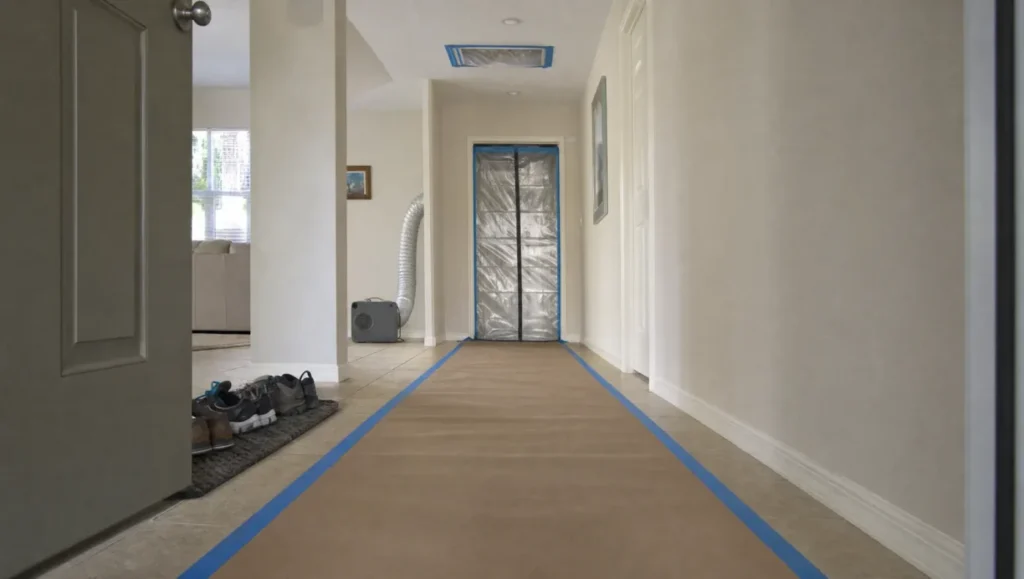
Quick answer: Yes. Most families can remain in their homes while renovations proceed, provided the construction zone is isolated and they retain access to a functional bathroom, kitchen setup, and bedroom. Anticipate restricted access to specific areas, routine dust management and cleaning, scheduled interruptions to utilities, and halts for inspections. The EPA notes in its lead-safe renovation guidance that a sealed work area might remain inaccessible until the work there is complete, cleaned and the containment removed, and some households might prefer to relocate temporarily for all or part of the work.
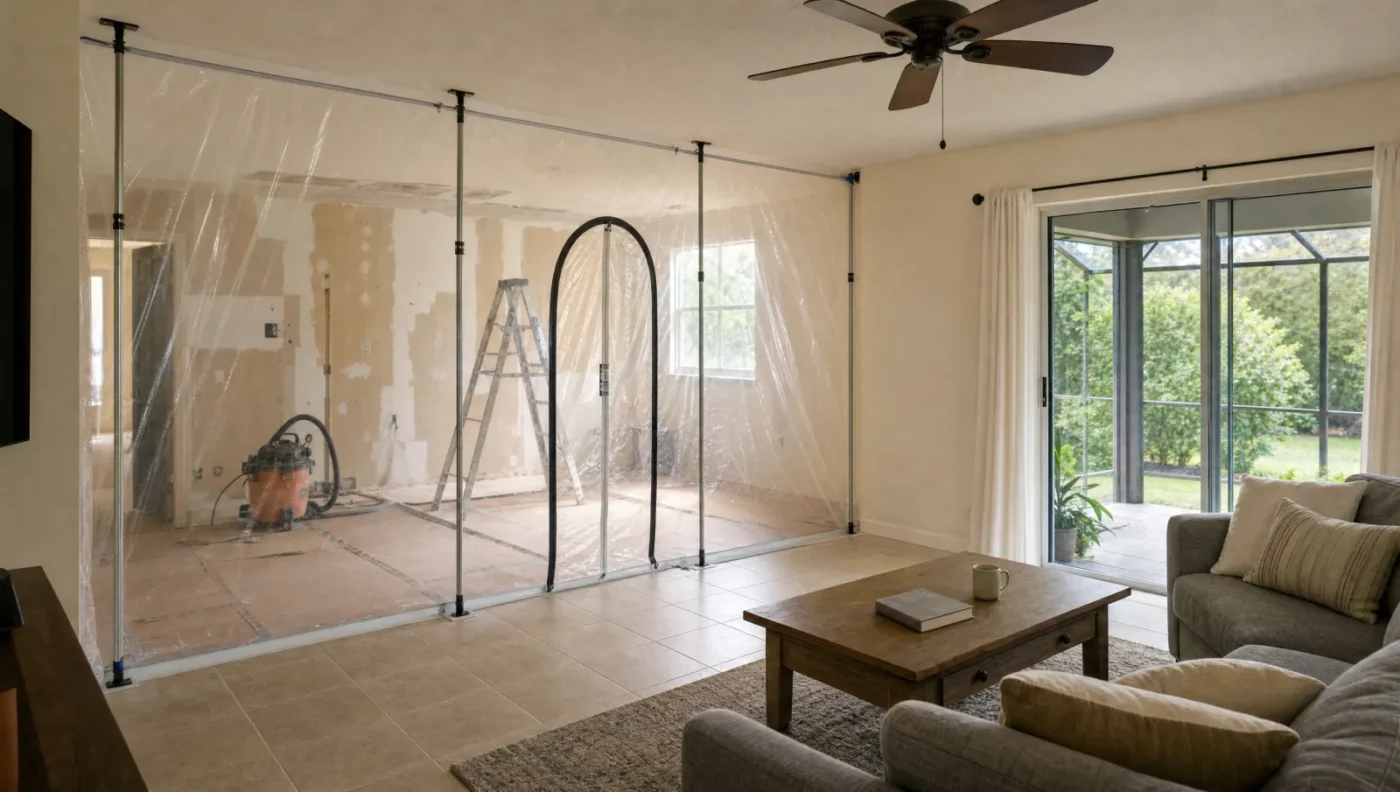
The viability of staying put depends more on the duration and extent of room closures, and whether old paint or building materials are being disturbed, than on the overall project size. This article details the daily realities of hosting a construction team, identifies which spaces require protection, outlines federal guidance and the model building code regarding dust, inspections and alarms, and explains when a temporary relocation is advisable. If you are still getting ready for demolition day, start with how to prepare your home for a kitchen or bathroom remodel; this guide picks up once work begins. All regulations and standards cited here derive from the agency or code body in the Sources list, verified in October 2026.
What Does Daily Life Look Like During a Renovation?
Living through a home renovation involves coexisting with an active construction zone: certain spaces are shut off, the crew arrives and departs according to a fixed timetable, and adjacent rooms become loud and filled with dust while work is underway. Households typically recognize these shifts before anything else.
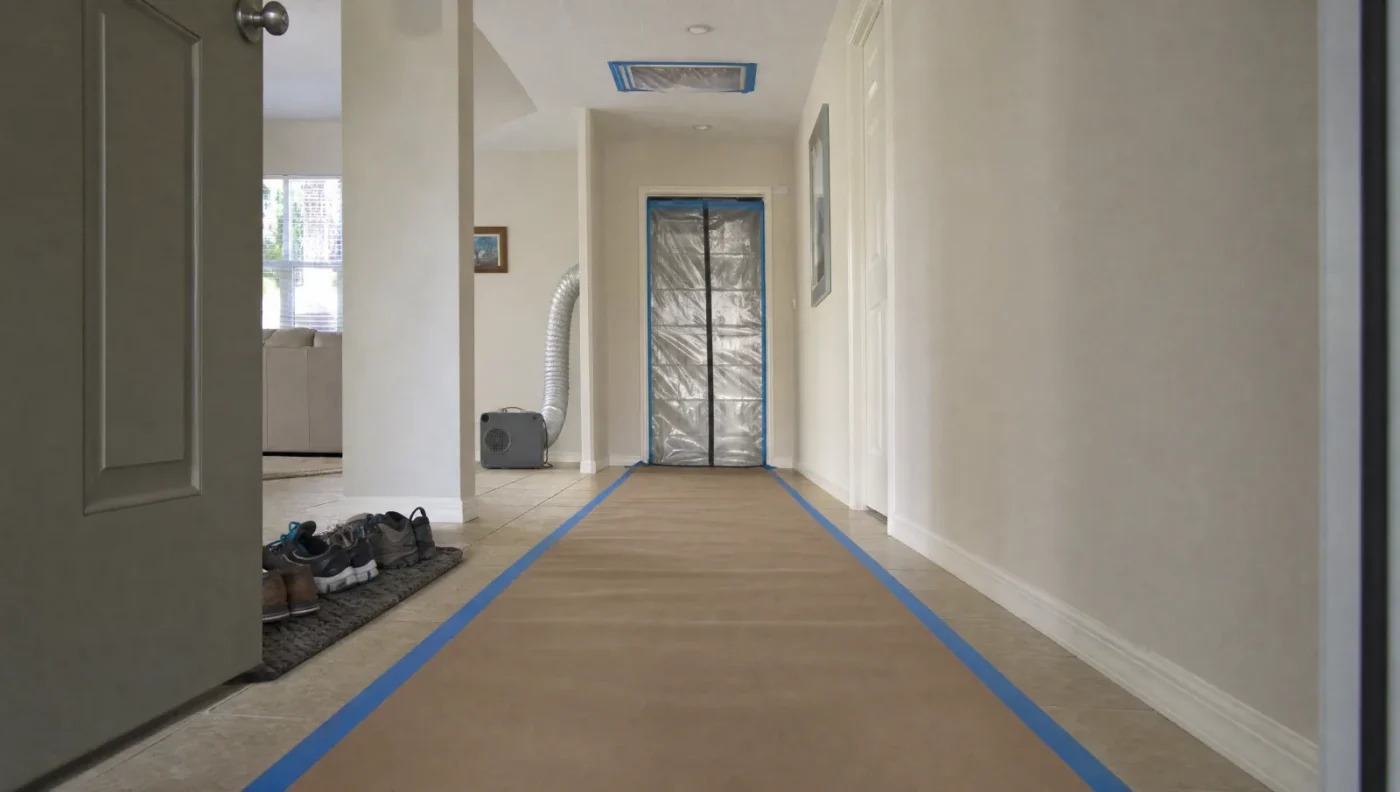
- Closed-off rooms. The EPA’s lead-safe renovation guidance states that work areas should not be accessible to occupants during the project. Furthermore, a contained area may not be available until the tasks inside are finished, the space has been fully cleaned, and the containment is taken down. Arrange the household’s routine to account for these rooms being unavailable throughout the entire phase.
- Dust, even with good control. The same EPA guidance states that dust cannot be eliminated, and recommends daily cleaning of the work area to maintain maximum cleanliness. A fine film is expected in adjacent rooms, especially on demolition days.
- Heating and cooling changes. The EPA states that homeowners may need to switch off forced-air heating and air conditioning during lead-safe work to prevent dust from moving through the vents, and should think about the impact on their living arrangements. Check with your contractor to see if your project requires this and for what duration.
- Crew traffic. The EPA suggests that the contractor use a distinct route from the work area to the exterior, preferably avoiding the entry point your household relies on. Determine which door the crew will access before the initial day of work.
- Water and power shutoffs. Plumbing and electrical work typically means scheduled water and power shutoffs while lines are disconnected and reconnected. Request the specific dates ahead of time to arrange your showers, laundry, and work calls accordingly.
- Inspection pauses. The 2021 International Residential Code (IRC) requires that rough plumbing, mechanical, gas and electrical work be inspected before it is covered. Work may not go past each inspection point without the building official’s approval. When a day goes quiet between trades, it usually means the job is waiting on an inspection, not that the project has stalled.
Stay, Phase or Move Out: Which Fits Your Project?
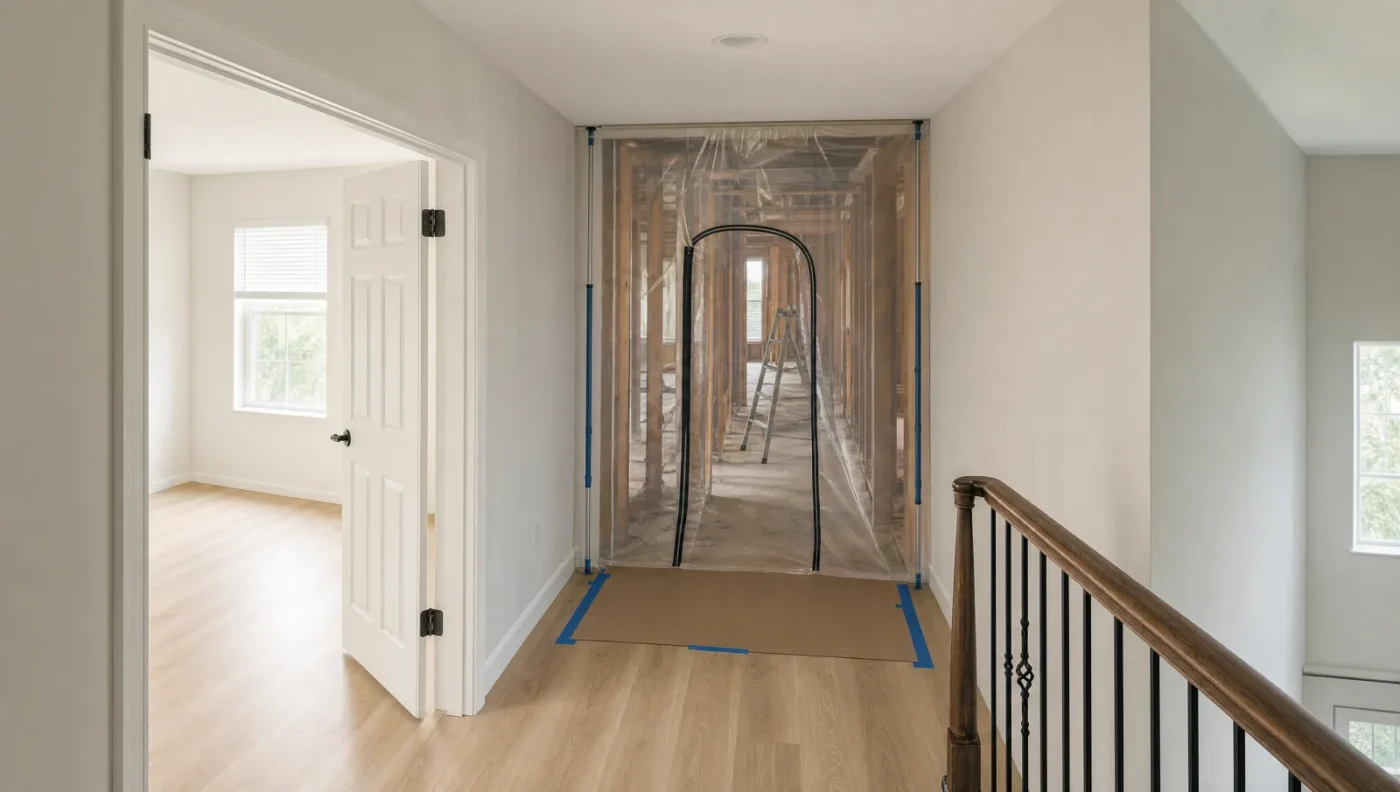
The living arrangement you select hinges on which rooms are out of service and the duration of the work. Most households opt for one of these four approaches.
| Option | What it means | Works best when | What to plan for |
|---|---|---|---|
| Stay throughout |
The household lives at home while one sealed area is under construction | The work is limited to one room and a second bathroom or a temporary kitchen setup is available | Dust control, a set crew entrance, daily cleanup and shutoff dates |
| Stay and phase |
The house is remodeled one room or floor at a time while the household lives in the other parts | The project touches several rooms but each phase leaves a working bathroom and kitchen setup | A longer overall schedule and a phase order that does not undo finished work |
| Move out for part |
The household leaves only for demolition, the dustiest work or the days without water | The only bathroom or the whole kitchen is out of service for part of the job | Exact dates from the contractor and a short-term place to stay |
| Move out fully |
The household lives elsewhere until the work is finished and cleaned | The work covers most of the house, or lead paint is being disturbed in a home with young children or a pregnant family member | Temporary housing, mail and storage, plus regular site visits |
Phasing is viable only when each stage follows a sensible order; the guide on what order to renovate a house in details why water problems and shared systems come first.
Which Rooms Matter Most When You Stay Home?
Losing access to a kitchen, a bathroom, or a sleeping space disrupts daily life far more than background noise does. The EPA’s renovation guidance notes that families might require different setups for sleeping, bathing, and cooking when construction takes place in those specific parts of the home.
The kitchen
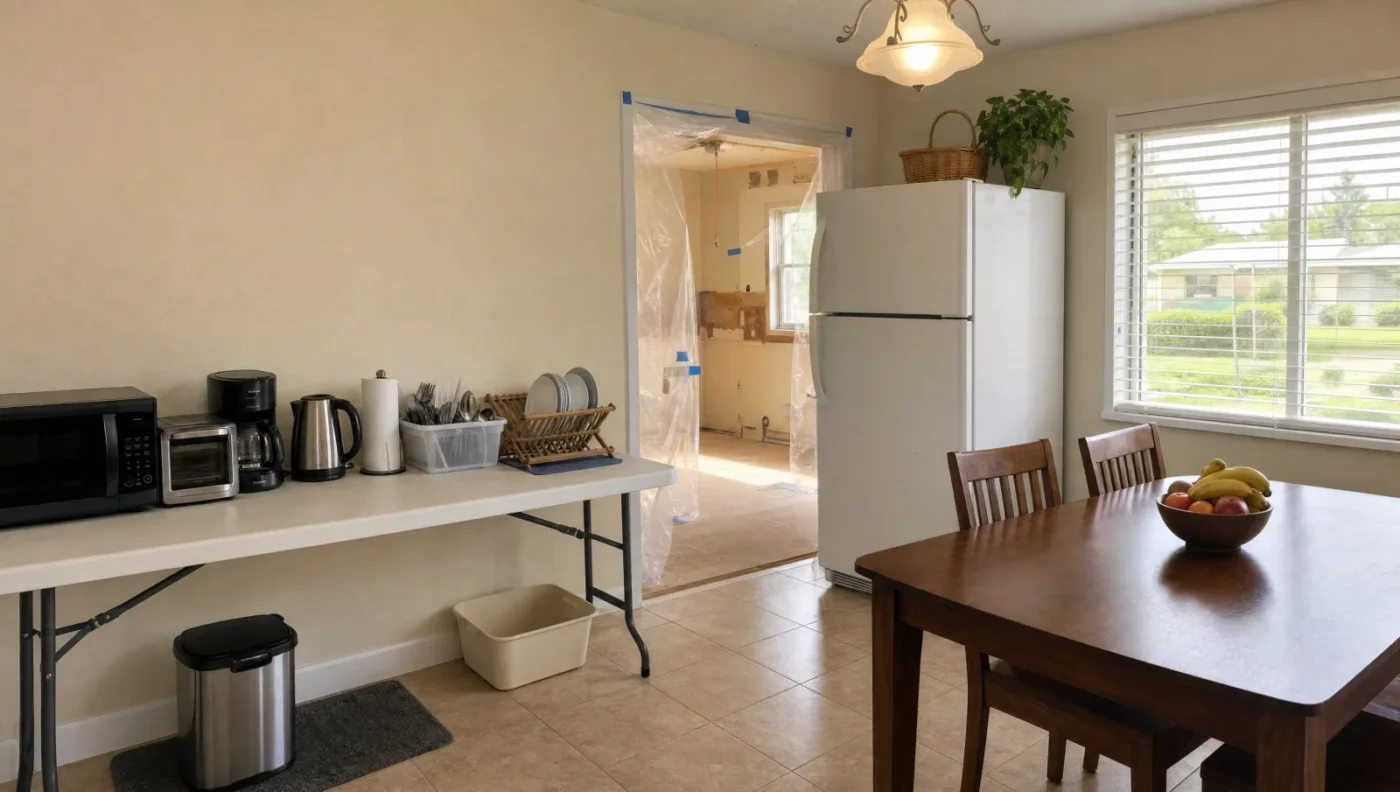
During a kitchen remodel, the sink, cooktop, and typically the refrigerator space are unavailable for most of the job. You should prepare food that requires just a microwave or a small countertop appliance, run a refrigerator in another room, and find a spot for dishwashing, like a laundry sink or a bathroom sink.
The bathroom
If the house features a second bathroom, remaining on site is generally simple. However, if the bathroom being renovated is the only one, the family needs a strategy for days without a working toilet or shower, a situation where a short stay elsewhere is often a practical choice. Ask your contractor for the exact days the toilet and shower will be out, and see how long a bathroom remodel takes for a typical schedule.
Bedrooms, pets and belongings
Rooms adjacent to the construction site experience the highest levels of noise and dust, so relocate your sleeping space away from that zone if possible. For lead-safe work, the EPA also lists a safe place for pets, since animals can be poisoned by lead and carry lead dust into other areas of the home, and a storage spot for furniture, as belongings may need to be cleared from the work area and items that can’t be moved, such as cabinets, should be wrapped in plastic.
What Do Federal Guidance and the Building Code Say?
Households residing in their homes should anticipate guidance from five distinct official documents: an EPA pamphlet regarding lead, an EPA page concerning asbestos, two sections of the model residential code, and a consumer guide issued by insurance regulators.
EPA, The Lead-Safe Certified Guide to Renovate Right
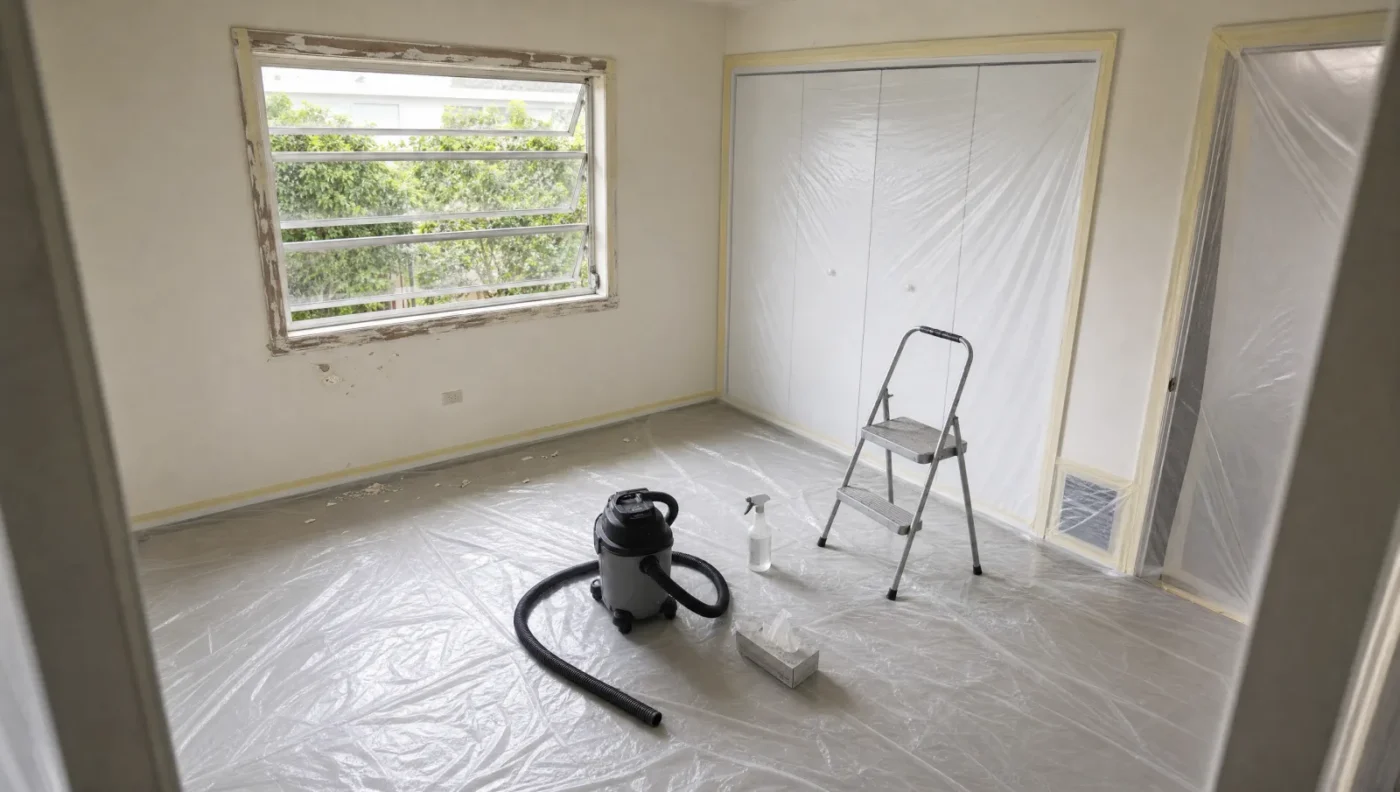
The EPA pamphlet addresses dwellings constructed before 1978. Federal law mandates that contractors disturbing painted surfaces in these properties hold certification and adhere to specific work practices, while the pamphlet instructs homeowners to always ask to see the contractor’s certification. Prior to beginning tasks that disturb more than 6 square feet of painted surface within a room, more than 20 square feet on exterior projects, or before window replacement or demolition, renovators must provide the pamphlet to the homeowner. Required procedures involve using plastic and tape as appropriate to cover floors and furniture that cannot be moved, as well as sealing off doors and heating and cooling vents. The pamphlet states that final cleanup should include a HEPA vacuum followed by wet wiping and wet mopping before any plastic comes down, and it adds that the work area should be cleaned up daily. Certain techniques are banned, such as open-flame burning or torching of paint. Once the job is finished, EPA requires cleaning verification, where the contractor uses disposable cloths to wipe the floor and other surfaces, then compares those cloths with an EPA cleaning verification card. The material excludes dwellings constructed in 1978 or later, and it also omits dust originating from materials other than lead paint.
2021 International Residential Code, Chapter 1: inspections
Local rules take precedence because jurisdictions adopt and modify the IRC. In Florida, that local rule is the Florida Building Code, Residential, which is based on the IRC; our guide on whether you need a permit to remodel a bathroom in Florida covers when work triggers one. According to the 2021 edition, authorities check rough plumbing, mechanical, gas, and electrical work prior to concealing it, installing fixtures or appliances, or conducting the framing inspection. The building official must grant approval before work proceeds beyond any of these checkpoints. A final inspection occurs after the permitted tasks are finished and before the space is occupied. For homeowners, this process involves planned inspector visits, walls that remain open until cleared, and potential pauses between different trades.
2021 International Residential Code, Chapter 3: smoke and carbon monoxide alarms
If a project needing a permit involves changes, fixes, or expansions, the 2021 IRC mandates that the house be fitted with smoke alarms placed as specified for new builds. The code sets a similar standard for carbon monoxide alarms, which are mandatory in new construction if the dwelling contains a fuel-fired appliance or an attached garage that connects to the interior. These requirements do not cover exterior projects like roofing, siding, windows, doors, porches, and decks. The smoke alarm provision also leaves out plumbing and mechanical work, while the carbon monoxide provision leaves out only plumbing and mechanical systems that do not burn fuel. When an interior renovation needs a permit, plan for new alarms and find out their intended locations.
EPA, Protect Your Family from Exposures to Asbestos
According to the EPA, visual inspection alone is usually insufficient to determine if a material contains asbestos, unless the item is labeled. The agency notes that homeowners planning a remodel may want to hire a trained and accredited asbestos professional to inspect their property. The EPA does not state that every older home contains asbestos, nor does it say an inspection is legally required before a remodel.
NAIC, additional living expenses
The NAIC notes that when a covered event forces you out of your house, many homeowners policies cover extra living costs. This benefit applies solely to the gap between your usual expenses and those incurred during your temporary stay. Since a voluntary renovation does not qualify as a covered disaster, you should budget for any hotel stays on your own and review your specific policy with your agent.
When Should You Move Out Instead?
Move out, even if only for part of the project, if the work takes away rooms the family relies on or if the dust poses a genuine threat to health. The EPA’s lead pamphlet notes that families might choose to stay elsewhere for a short time while all or part of the work is underway.
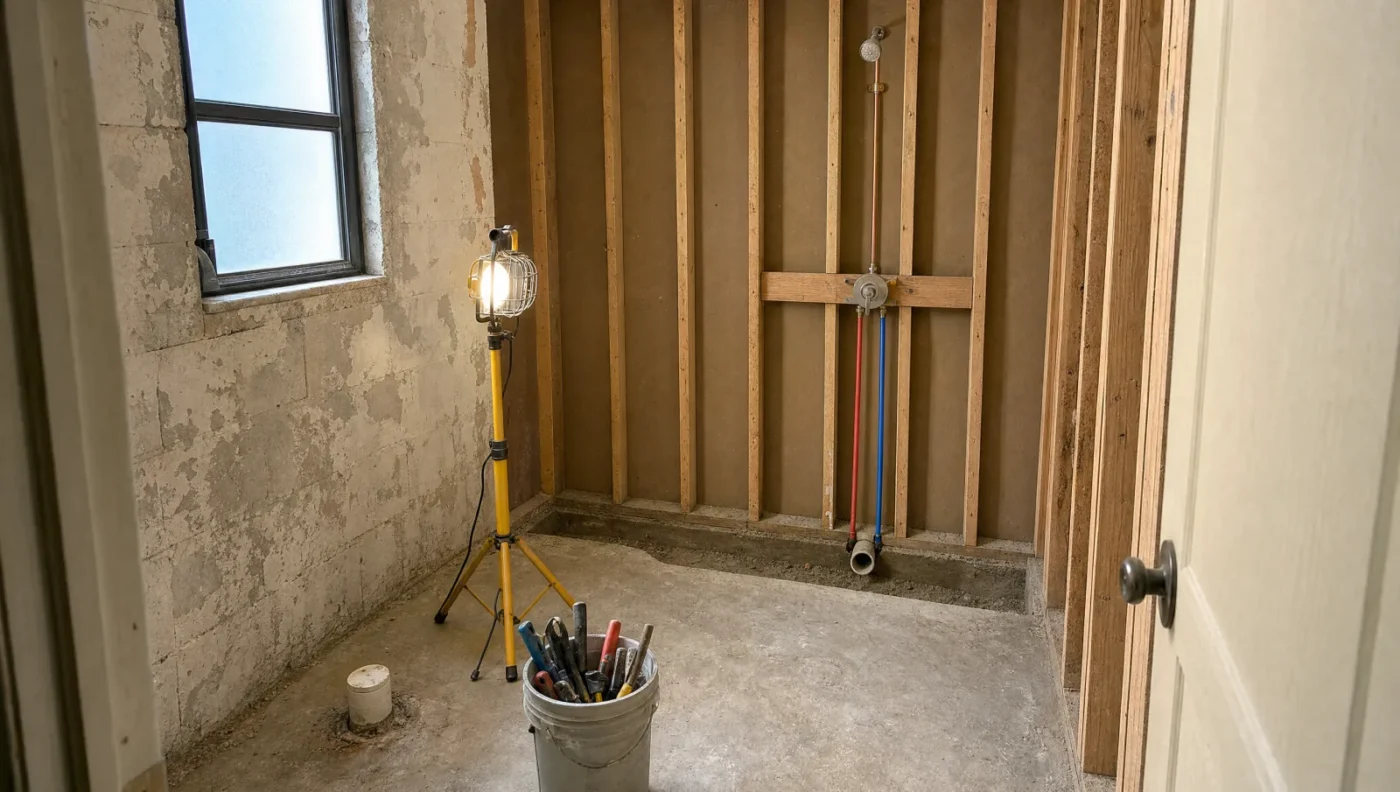
- Lead paint is being disturbed and young children or a pregnant family member live there. The EPA notes that lead is especially dangerous to children under six and that pregnant women can pass lead to their fetuses upon exposure. In a home built before 1978 where painted surfaces are affected, the safer plan is to stay elsewhere until the work area is cleaned and the containment is down.
- The only bathroom is out of service. Spending a few nights with relatives or in a short-term rental is typically simpler than enduring days without a functioning toilet or shower.
- The work covers most of the house. If the project involves multiple rooms, the primary corridor, or the heating and cooling system, a tidy, silent area for living might not remain.
- Someone in the home has a breathing condition. Before making a final call on staying put, consult the physician of any household member with asthma or another breathing condition to determine if proximity to the job site is advisable.
- You work from home and need quiet. Because demolition, tile cutting and framing create significant noise, arrange to operate from an alternative location on those days.
How Do You Make Living Through a Renovation Easier?
Household life during a renovation runs smoother when the rules are settled prior to the start of work and woven into the timeline.
- Agree on work hours and daily cleanup. Find out when the crew begins and ends their shift, and how the work area should appear once the day is finished.
- Get shutoff and inspection dates in advance. Identify which days the water, power or gas will be cut off and when inspections are due, preventing anyone from being surprised by a lack of utilities or a scheduled visit.
- Set the crew entrance and protect the path. Choose a single door for the crew and request floor protection along the route leading to the work area.
- Keep children and pets out of the work zone. Consider the sealed area off limits even after hours, as tools and open walls remain present.
- In a home built before 1978, ask for the paperwork. The EPA pamphlet advises homeowners to always request the contractor’s certification, and renovators must provide the pamphlet to homeowners before beginning work.
- Name one point of contact. Having one person on your side and one on the contractor’s side ensures that questions regarding access, schedule changes and cleanup do not go unanswered.
Where CMK Construction Fits
CMK Construction handles renovations for a single room or the entire house under one contract. Regarding whole-home projects, CMK Construction notes that some homeowners choose to phase the work a room or a floor at a time. CMK Construction adds that at the consultation, the team helps sequence the phases so they build on each other, ensuring residents always have access to functional kitchen and bathroom facilities mid-project. The build stage is described by CMK Construction as involving one certified crew and one project manager carrying the job to completion, with the team communicating daily and cleaning up every day. For kitchen work, CMK Construction reports that a typical remodel lasts 6 to 10 weeks depending on scope. CMK Construction further states that full gut renovations involving layout changes, new plumbing and electrical work may take 10 to 14 weeks. The CMK Construction project manager also supplies a detailed timeline during the design phase. The CMK whole-home remodeling page details the planning process for phased projects.
CMK Construction is also an EPA Lead-Safe certified firm. That matters in Tampa Bay, where much of the older housing was built before 1978, including the 1920s bungalows of Seminole Heights and the Hyde Park neighborhood of South Tampa. The same is true of the Craftsman districts of St. Petersburg and the mid-century homes near the water in Sarasota.
Call us at (813) 379-2116 or schedule a free consultation, and we will help you decide whether to stay, phase the work or move out for part of it.
Related reading:
- How to Plan a Whole-Home Renovation
- How Much Does a Whole-Home Renovation Cost in Tampa Bay?
- How Does Remodeling Affect Home Value and Insurance in Florida?
FAQ
Can you live in your house while it is being renovated?
Yes, generally speaking, provided the sealed-off zone excludes a functional bathroom, kitchen arrangement, and sleeping quarters. According to EPA’s lead-safe renovation guidance, a contained work area might remain inaccessible until tasks finish, cleanup concludes, and barriers are taken down; residents might also choose to relocate briefly during the entire or partial duration of the project.
Will homeowners insurance pay for a hotel during a renovation?
Usually not. The NAIC explains that many homeowners policies pay additional living expenses if a covered disaster forces you out of your residence, covering just the gap between your usual and interim costs. Since a planned remodel is not a covered disaster, verify your own policy with your agent before you book.
Is renovation dust dangerous to live with?
It can be, depending on what is being disturbed. For structures erected prior to 1978, the EPA mandates that firms handling painted surfaces hold certification and adhere to lead-safe work practices, noting that lead poses a particular threat to children under six years of age. Furthermore, the agency states that visual inspection alone is usually insufficient to determine if a substance holds asbestos, provided no label is present.
Why does the work stop for inspections?
Work cannot proceed beyond an inspection point without approval, as the code forbids it. The 2021 International Residential Code dictates that rough plumbing, mechanical, gas and electrical work must be inspected before being covered, and further work is prohibited past each inspection point until the building official’s approval is granted. The precise steps are determined by local adoption of the code.
Will a renovation mean new smoke alarms?
Often, yes. The 2021 International Residential Code requires smoke alarms located as required for new dwellings when alterations, repairs or additions that require a permit take place. This rule has exceptions, including exterior work such as roofing, siding, windows and doors, and plumbing work. Since local codes may differ, check with your contractor regarding what your permit requires.
Sources
- U.S. Environmental Protection Agency, The Lead-Safe Certified Guide to Renovate Right
- International Code Council, 2021 International Residential Code, Chapter 1: Scope and Administration
- International Code Council, 2021 International Residential Code, Chapter 3: Building Planning
- U.S. Environmental Protection Agency, Protect Your Family from Exposures to Asbestos
- National Association of Insurance Commissioners, What Are Additional Living Expenses and How Can Insurance Help?
- CMK Construction, Residential Remodeling
- CMK Construction, Kitchen Remodeling